

In recent times, specialists from the government institution for native communities trekked over 60 miles through untouched wilderness on the southern edge of the Amazon basin. Their mission was to observe and help protect an isolated community with little to no interaction with the outside world.
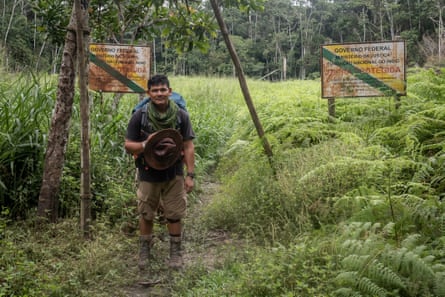
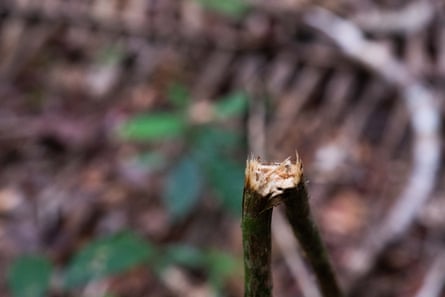
Their observations included a small basket made from palm fronds, a child’s footprints by a creek, and branches freshly cut to gather honey. They also found abandoned shelters being reclaimed by nature and remnants of foraged food near extinct campfires. These were all undeniable evidence that the Kawahiva people continued to inhabit the region.
Bureaucratic Delays Impede Legal Safeguards
Despite a judicial directive mandating a safeguarding strategy for the vulnerable tribe, the Brazilian government has failed to implement. The court-ordered plan included fast-tracking the boundary setting of their ancestral domain and outlining forest protection strategies.
Bureaucratic delays, budgetary constraints, and violent land conflicts—featuring assaults by figures associated with the deforestation business—have halted the demarcation effort.
Without clearly marked borders, deforestation agents persist in advancing, leaving the Kawahiva in imminent danger of cultural eradication. Rights groups label the inaction a willful and dangerous infringement of the Brazilian law.
“This stalling in territorial recognition is not only against the law, it is also incredibly risky.”
Shrinking Wilderness
The proposed 400,000-hectare protected territory has yet to receive full protection, as mandated by law. It is considered the biggest undefended woodland in Brazil that is inhabited by communities in voluntary isolation.
Just outside the territorial limits, the scene changes dramatically. The vegetation is cleared for ranching. Property markers are being erected, and logging tracks are pushing further into the natural habitat.
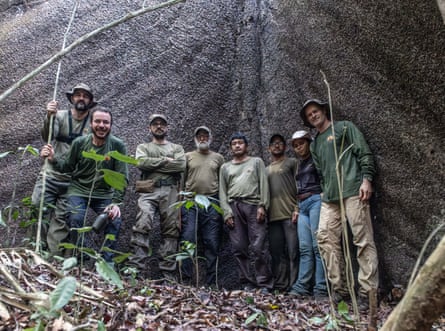
Following the expedition, a agency head for territorial protection promised to finalize the demarcation. “We are doing everything in our power to make certain that the Kawahiva land is demarcated,” the official stated.
Funding Hurdles and Escalating Tensions
The official mapping of the 200-mile perimeter involves placing concrete markers. This is seen as a decisive step to demonstrate to outside interests that the state will enforce about protection. However, the work is on hold.
Funding has been a major stumbling block. Initial plans to use compensation funds from a highway project did not materialize. The agency has since sought other sources.
It has now turned to a technical academic body. “It’s a technical partnership that we’ve already had success with,” explained an official. “The fieldwork is projected to begin in the first part of 2026.”
The institute confirmed that discussions were in late stages but did not specify when work would begin.
Complicating everything is what officials term a “volatile condition in the region,” which is expected to require an security detail during any demarcation work.
Hostile Actors
The potential for conflict is real. In previous years, an armed group assaulted a field station in the territory, resulting in a gun battle where one attacker was killed. More recently, heavily armed police were present in the area.
In recent months, an recorded message surfaced in which a man, identifying as a local leader, verbally attacked the lead field agent. The individual, believed to be associated with local loggers, stated to have conducted an expedition “searching for those isolated Indians.”
He is reportedly facing several environmental crimes, including charges related to the attempted murder on the agent. “We can’t work because of this guy,” the man said in the recording.
A Closing Window
Anthropologists and observers point out that it has been over 25 years since the presence of the isolated group was verified. “In all these years, illegal settlers have consistently challenged the land declaration in court,” noted one expert.
They raise a concerning idea: that the ongoing stalling is a deliberate political tactic rather than a bureaucratic one. This leads to concern that protection may not happen even in the coming year.
The electoral calendar adds urgency. Many believe that 2026 represents the closing window for this land protection initiative to be achieved, before a potential political shift could stop similar processes, as was the case previously.
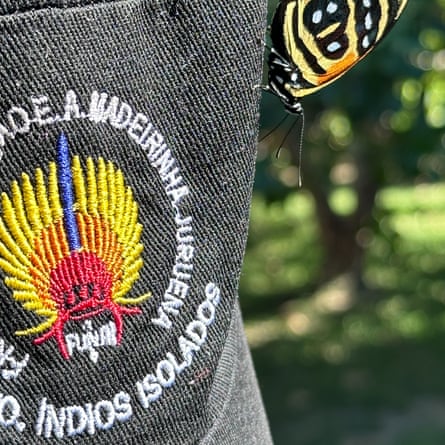
The supreme court directive was the result of a legal action filed by a national Indigenous organization. The court acknowledged the “danger of eradication, food insecurity, and acculturation” facing the community.
A lawyer involved described the process as “at a standstill,” with the court waiting for action. The consequences of delay are stark. “It is also highly risky and endangers the lives of the uncontacted people,” warned a representative from an rights organization.


